Supplements for Hot Flashes: What the Evidence Shows
A calm, evidence-based look at supplements for hot flashes, what trials suggest, non-supplement measures, and when to talk to a doctor about prescription options.
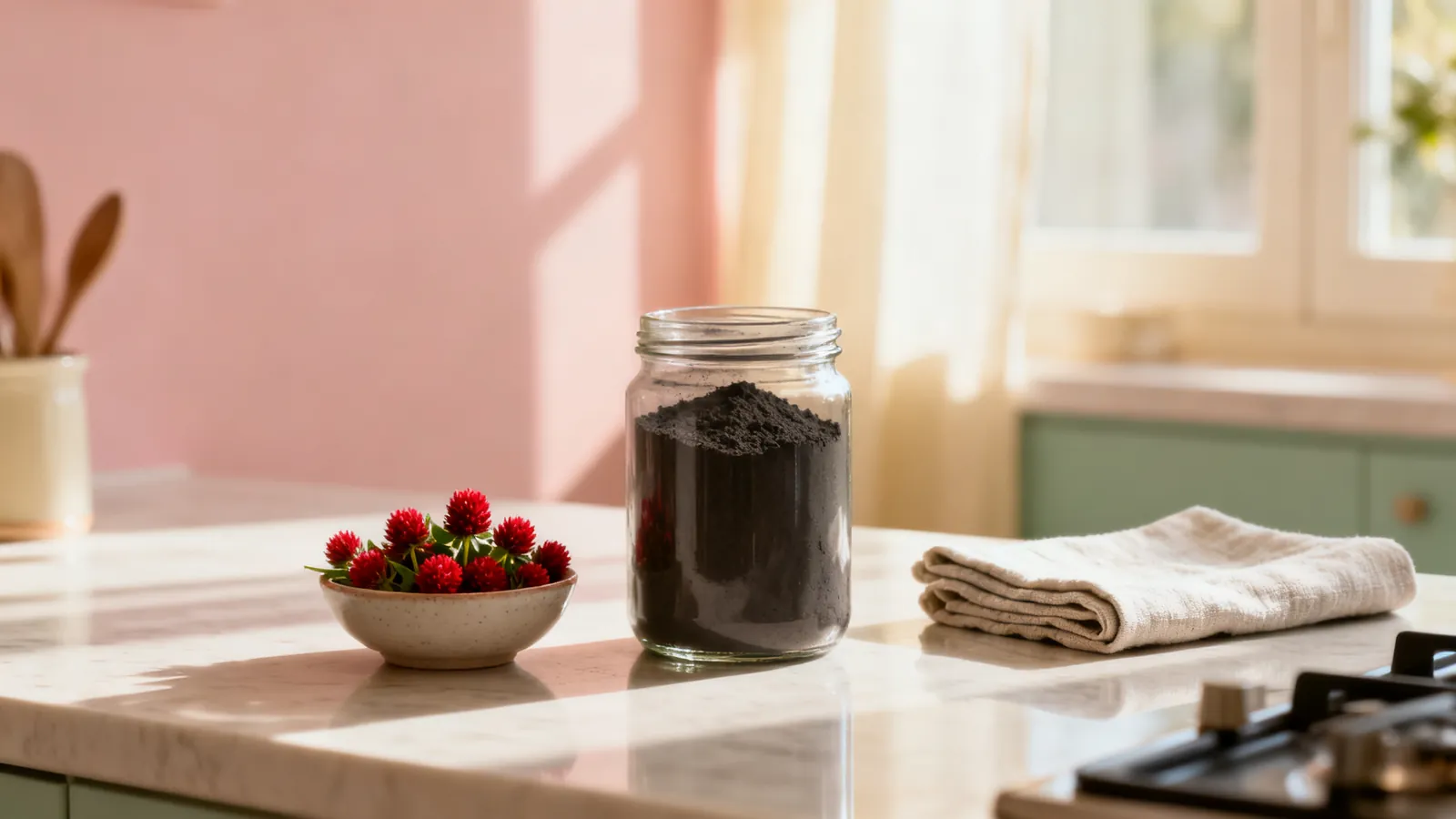
A hot flush is a sudden wave of heat, often with sweating and a racing heart, that comes from the way the body regulates temperature. During perimenopause and menopause, falling oestrogen levels can make the brain’s thermostat more sensitive, so small changes in core temperature trigger a full cooling response. A hot flash is the same event; the words are used interchangeably. Flushes can last from seconds to several minutes and may happen a few times a week or many times an hour. They are not dangerous in themselves, but they can disrupt sleep, work and mood, and they are one of the most common reasons women look for help.
Many women prefer to start with something over the counter before considering prescription options. The shelves are crowded with products marketed as natural menopause supplements or best menopause supplements, and the labels often promise more than the evidence supports. This guide sets out what the main ingredients have actually been studied for, how strong that evidence is, and what else helps.
What the research shows for the main ingredients
The evidence for hot flash supplements is mixed and generally weaker than the marketing suggests. Some ingredients have small trials behind them; others have almost none. None of them is a substitute for a medical assessment if symptoms are severe or unusual.
Black cohosh
Black cohosh is a plant native to North America, long used in traditional practice. Reviews of trials have found inconsistent results: some small studies suggest a modest reduction in flush frequency, while larger and better-controlled trials often show no difference from placebo. The effect, where it appears, is usually small. The evidence is limited and the quality of many trials is low.
Red clover and soy isoflavones
Red clover and soy contain isoflavones, plant compounds that can bind weakly to oestrogen receptors. Trials have looked at both foods and concentrated extracts. Results are mixed. Some women report fewer flushes; others notice no change. The effect appears modest at best, and it may depend on how much of the active compound the body converts. Evidence is stronger for dietary soy than for supplements, but still not strong.
Evening primrose oil
Evening primrose oil is rich in gamma-linolenic acid. It has been studied for breast pain and skin, but for hot flushes the trials have generally shown no benefit over placebo. It is not a first-line option for flushes.
Vitamin E
Vitamin E has been studied in a few small trials, with mixed results. Some women report a slight reduction in flush frequency, but the effect is small and not consistent. It is sometimes used when other options are not suitable.
Omega-3 fatty acids
Omega-3s from fish oil have been studied for general menopausal symptoms, including mood and sleep. For hot flushes specifically, the evidence is limited and does not show a clear benefit.
DHEA
DHEA is a hormone precursor sold as a supplement in some countries. Small trials suggest it may reduce flush frequency in some women, but it can affect hormone levels and has not been well studied for long-term safety in this context. It is not a casual over-the-counter choice.
Other ingredients
Many products combine several of the above with vitamins, minerals or herbs such as sage, ginseng or maca. Combination products are difficult to assess because the dose of each ingredient is often below what was used in trials, and the ingredients may interact. There is no reliable evidence that these combinations work better than placebo.
How to use them: forms, amounts and timing
If you decide to try a supplement, choose a single-ingredient product where possible, so you can tell what helps and what does not. Look for a standardised extract, which means the amount of the active compound is stated on the label. Avoid products that list a long blend under one “proprietary” heading, because the amounts of each ingredient are not disclosed.
Amounts commonly used in research or on standard labels include:
- Black cohosh: 20–80 mg a day of a standardised extract, often taken with food.
- Red clover isoflavones: 40–80 mg a day.
- Soy isoflavones: 40–80 mg a day.
- Evening primrose oil: 500–1,000 mg a day, usually in divided doses.
- Vitamin E: 100–400 IU a day, though higher doses are not recommended long term.
- Omega-3: 1–2 g a day of combined EPA and DHA.
These are the amounts that appear in studies and on labels; they are not a recommendation to exceed what is on the packet. Start with one product at a time and give it several weeks before judging whether it helps. Keep a simple record of flush frequency and severity so you can see whether any change is real or just the natural fluctuation that happens over time.
Timing is usually flexible. Some women take a dose in the morning and another in the evening if flushes are worse at night. If a product upsets your stomach, take it with food.
Side effects, interactions and who should avoid them
Any supplement can cause side effects, and some interact with medicines. Talk to a doctor or pharmacist before starting, especially if you take prescription medication, are pregnant or breastfeeding, or have a medical condition.
- Black cohosh: has been linked to rare reports of liver problems. Do not use it if you have liver disease, and stop if you notice yellowing of the eyes or skin, dark urine or unexplained tiredness. It may interact with some chemotherapy drugs and with medicines processed by the liver.
- Red clover and soy isoflavones: avoid if you have had oestrogen receptor-positive breast cancer or another hormone-sensitive condition, unless your specialist says otherwise. They may interact with tamoxifen and with thyroid medication.
- Evening primrose oil: generally well tolerated but can cause nausea or headache. It may increase the effect of blood-thinning medicines and is sometimes avoided in people with seizure disorders.
- Vitamin E: high doses increase bleeding risk, particularly with anticoagulants or before surgery.
- Omega-3: high doses can also increase bleeding risk and may interact with blood thinners.
- DHEA: affects hormone levels and should not be used without medical supervision, particularly if you have a hormone-sensitive condition.
If you have a history of breast cancer, endometrial cancer, liver disease, blood clots or a bleeding disorder, check with your specialist before using any of these. Do not stop or change prescribed medication without speaking to the prescriber.
What supplements cannot do
Supplements are not a treatment for hot flushes in the sense of reliably stopping them. The best that can be said for most is that some women notice a modest improvement, and that improvement may be partly a placebo effect, which is real but not the same as a proven benefit. They do not replace hormone therapy or non-hormonal prescription options when symptoms are moderate to severe. They also do not address the underlying hormonal changes, and they will not prevent heart disease, osteoporosis or other conditions that become more common after menopause. Claims that a product “balances hormones” or “cures” menopause symptoms are not supported by evidence.
Non-supplement measures that can help
Simple measures often make a bigger difference than supplements, and they carry no interaction risk.
- Layers: dress in thin layers you can remove and put back on. Choose natural fabrics that breathe.
- Cooling: keep a cold drink nearby, use a fan, and lower the room temperature at night. A cool pillow or a chilled gel pack can help.
- Alcohol and caffeine: both can trigger flushes in some women. Cutting back, especially in the evening, often reduces night-time symptoms.
- Spicy food: for some women, hot or spicy meals set off a flush. Notice your own pattern.
- Weight and activity: regular movement and a stable weight are linked to fewer and less severe flushes in some studies.
- Paced breathing: slow, deep breathing for a few minutes at the start of a flush can reduce its intensity. It is a skill that improves with practice.
- Sleep: keep the bedroom cool and dark, and keep a change of bedding or nightwear nearby if night sweats are frequent.
Options to ask a doctor about
If flushes are affecting sleep, work or quality of life, it is reasonable to ask about prescription options. Hormone therapy (oestrogen, with or without a progestogen) is the most effective option for most women under 60 or within ten years of menopause, but it is not suitable for everyone, and the decision depends on your history and risk factors. Non-hormonal prescription medicines, including certain antidepressants and anticonvulsants, are also used for hot flushes and can be helpful when hormone therapy is not an option. These are conversations for a doctor or menopause specialist, not decisions to make from a pharmacy shelf.
Comparing the common options
| Option | Form and typical amount | Evidence for flushes | Who it does not suit |
|---|---|---|---|
| Black cohosh | Standardised extract, 20–80 mg a day | Mixed; some small trials show modest benefit, larger trials show little | Liver disease; anyone on liver-processed medicines; pregnancy |
| Red clover isoflavones | Standardised extract, 40–80 mg a day | Mixed; modest effect at best | Hormone-sensitive cancer history; tamoxifen users |
| Soy isoflavones | Extract or food, 40–80 mg a day | Mixed; dietary soy may be better than supplements | Hormone-sensitive cancer history; thyroid medication users |
| Evening primrose oil | Capsules, 500–1,000 mg a day | Generally no benefit over placebo | Seizure disorders; blood-thinner users |
| Vitamin E | Capsules, 100–400 IU a day | Small, inconsistent effect | Bleeding disorders; before surgery; anticoagulant users |
| Omega-3 | Capsules, 1–2 g a day | Limited; no clear benefit for flushes | Bleeding disorders; anticoagulant users |
| DHEA | Capsules, amount varies | Small trials suggest possible benefit | Hormone-sensitive conditions; without medical supervision |
| Prescription hormone therapy | Doctor-prescribed | Most effective option for suitable women | History of breast cancer, blood clots, some liver disease |
| Non-hormonal prescription medicines | Doctor-prescribed | Effective for some women | Depends on the medicine and your history |
When a symptom needs a doctor
Hot flushes themselves are not usually a sign of something serious, but some symptoms should be checked. See a doctor if flushes come with chest pain, shortness of breath, palpitations that do not settle, unexplained weight loss, a new lump, unusual bleeding, or flushing that is severe, sudden and different from your usual pattern. Also seek advice if you are losing a lot of sleep, feel low or anxious most days, or if over-the-counter products are not helping and symptoms are affecting your daily life. A doctor can rule out other causes, such as thyroid problems or medication side effects, and discuss the full range of options.
Common questions
What is the best supplement for hot flashes?
There is no single best supplement. Black cohosh, red clover and soy isoflavones have been studied, but trials show mixed and generally modest results. Evening primrose oil and omega-3 have not shown clear benefit for flushes. If you try one, choose a single-ingredient standardised product and give it several weeks.
Do natural menopause supplements really work?
Some women notice fewer or milder flushes when taking them, but this may be partly a placebo effect. Reviews of the research show inconsistent results, and effects are usually small. They are not a substitute for prescription options when symptoms are moderate to severe.
Are over the counter menopause relief products safe?
Many are well tolerated, but they can interact with medicines and are not suitable for everyone. Black cohosh has been linked to rare liver problems, and soy or red clover isoflavones should be avoided by women with a history of hormone-sensitive cancer. Check with a pharmacist or doctor first.
Can I take supplements alongside hormone therapy?
Possibly, but it depends on the supplement and your medical history. Some ingredients interact with medicines or affect hormone levels. Tell your prescriber about everything you take, including over-the-counter products, before combining them.
When should I see a doctor about hot flushes?
See a doctor if flushes are severe, disrupt sleep or daily life, or come with chest pain, palpitations, unexplained weight loss, unusual bleeding or a new lump. A doctor can rule out other causes and discuss prescription options, including hormone therapy and non-hormonal medicines.
Read next
Ashwagandha for Women: Benefits, Side Effects, Cautions
What ashwagandha is, what research suggests for stress, sleep and menopause symptoms, typical amounts, side effects, liver and thyroid cautions.

Bladder Control for Women: Causes and What Helps
Why bladder leakage happens after childbirth and menopause, how stress and urge leakage differ, pelvic floor exercises, and what supplements can and cannot do.
Hormone Balance Supplements: What's Inside
What 'hormone balance' supplements actually contain, what the research says about DIM, chasteberry, maca and myo-inositol, and how they interact with HRT.